
Reliable Off-Grid Power: A U.S. Battery Success Story
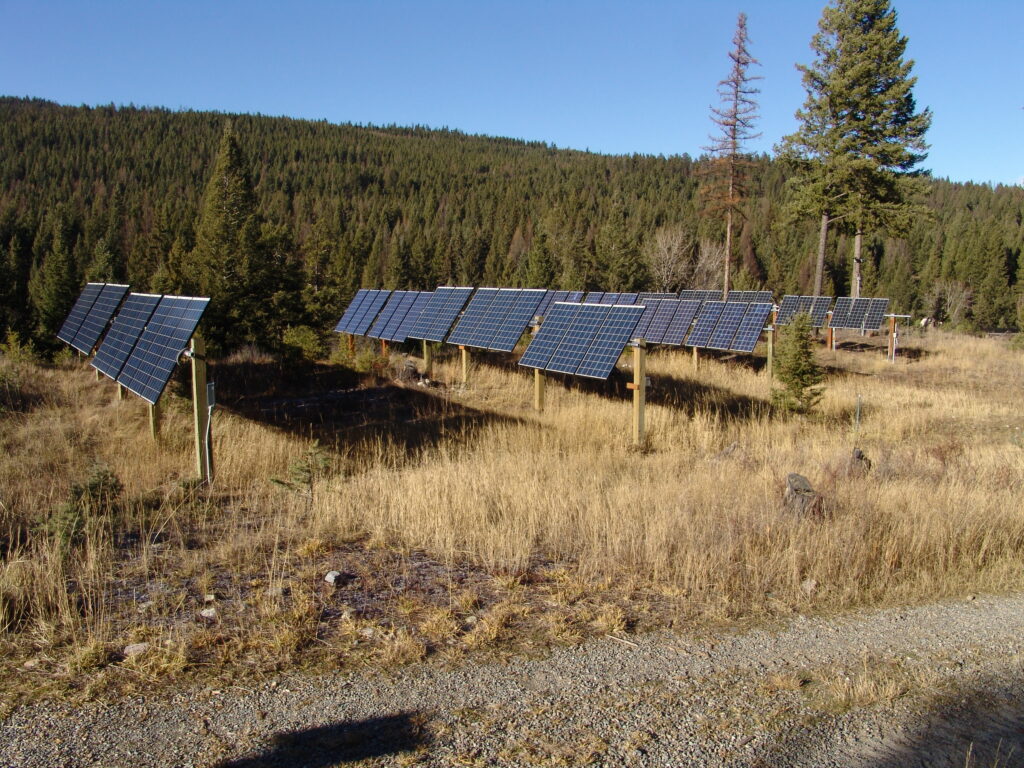
In a remote area 75 miles from Kalispel, Montana, Mike S. acquired a small private farming homestead. He began developing a backup power system, as local power outages from severe weather often lasted for long periods. The system was originally placed in service in 2007.
In his early search for quality products, he came into contact with Xantrex, manufacturers of off-grid power systems, and soon developed a relationship. The company asked Mike to evaluate some new products, so he incorporated them into his system, including monitoring capabilities for solar harvest, system performance, and battery state of charge.
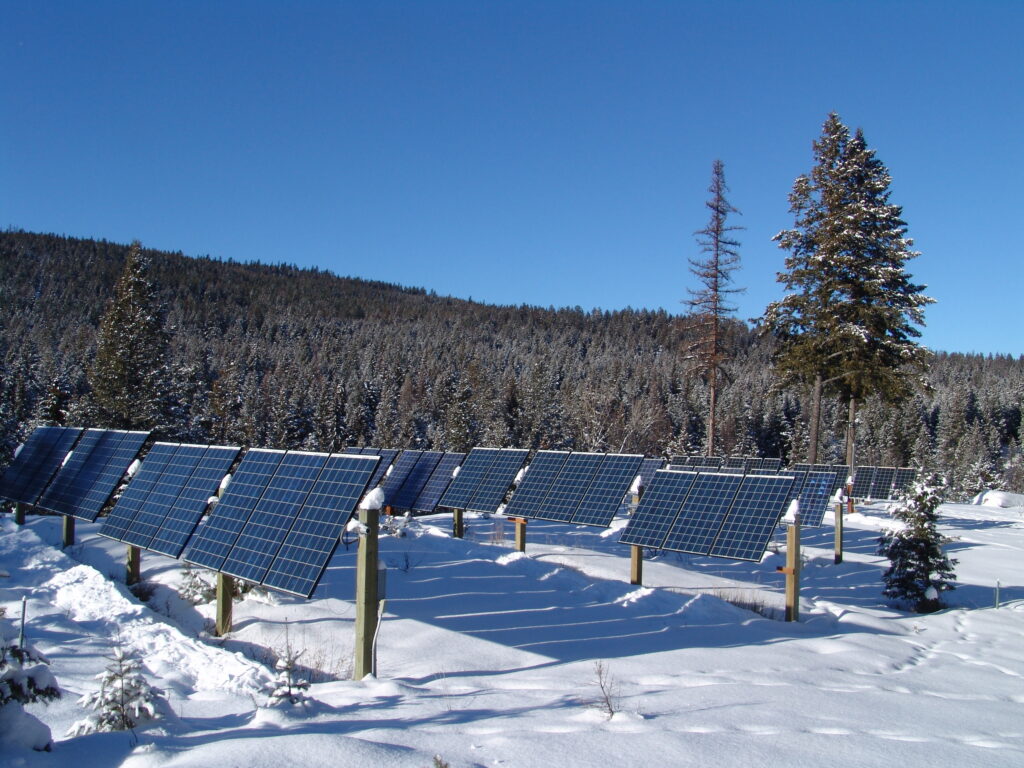
In 2020, he installed an upgraded system with 48 AGM batteries, divided into two banks of 24, each bank storing 1200 amp-hours and charged by an 18K-watt solar array.
The Challenge of Unbalanced Battery Banks
Soon, he discovered some of the batteries would become unbalanced. This is a situation in which batteries are connected in multiple parallel strings, and differences in internal resistance and capacity within individual batteries are exaggerated, leading some batteries to overcharge and others to undercharge. This leaves the battery bank unbalanced, which can damage the batteries over time. “I monitored my battery bank for several years and over some long winters. Every time the power grid went down, I discovered that some of the batteries became increasingly unbalanced. They didn’t have nearly the capacity they originally had when new,” Mike said.
Engineering a Dependable Solution
Frustrated with the inconsistency in the manufacturing process of his previous batteries, Mike contacted U.S. Battery. He spoke with Dwayne Porter, Western Regional Sales Manager, and Matthew Ely, Manager of Product & Process Engineering. “I knew of U.S. Battery back in 2015 or so through contacts with Schneider Electric. But back then, there were some technical reasons why I couldn’t use U.S. Battery products. When I finally contacted U.S. Battery and discussed the issues with my system, I used their suggestions and also purchased their batteries to try out,” he said.
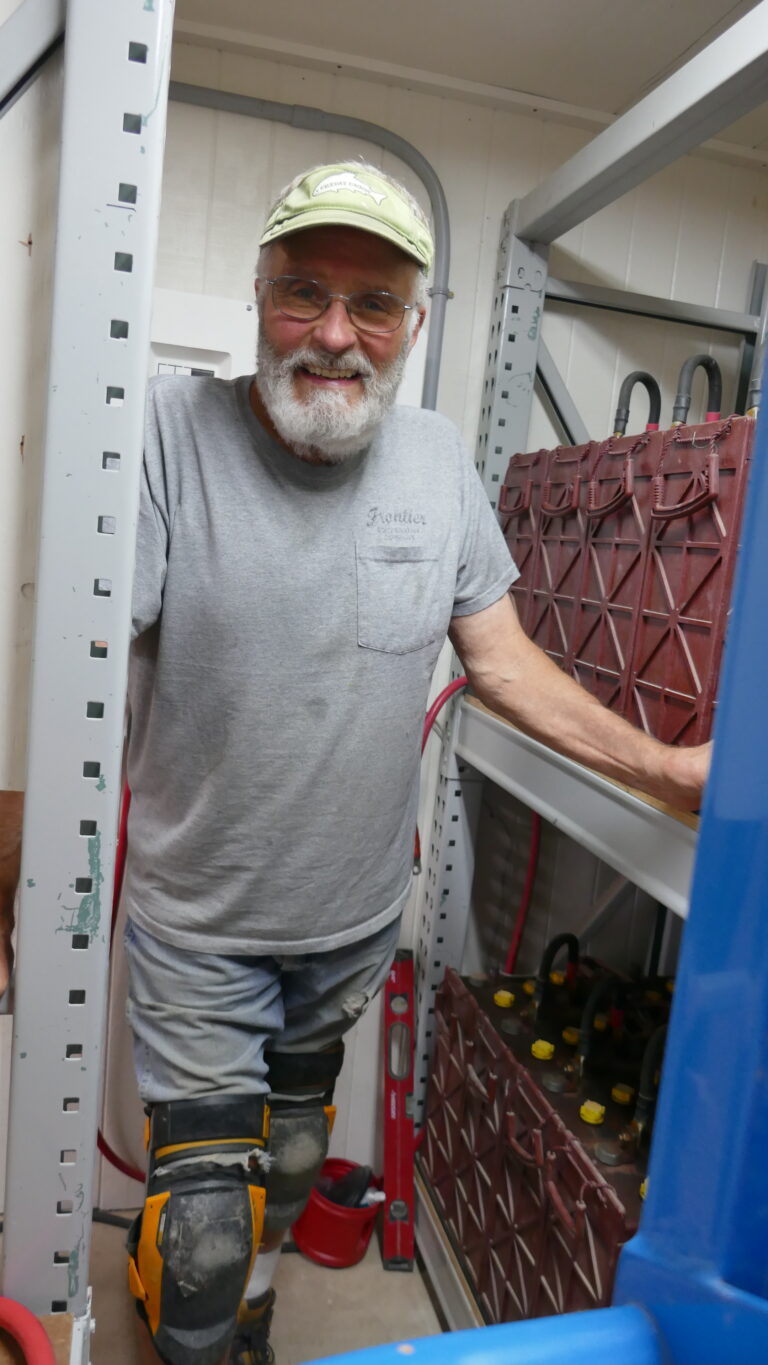
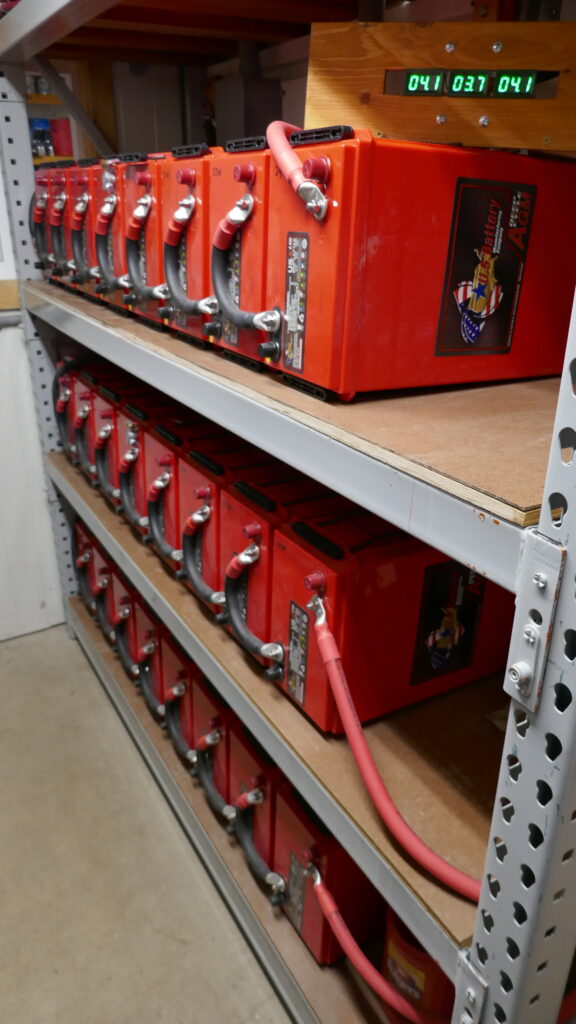
Mike now has one of his two banks operational with 24 U.S. Battery AGM L16 deep-cycle batteries arranged in three parallel groups, providing 1242 amp-hours of capacity. “So far, not one of the U.S. Battery L16 AGMs has become unbalanced,” said Mike. “The USB L16s run for a longer period of time before they get to a low charge level. I immediately noticed the difference during one of the worst storms we’ve had in a long time, with no sun to recharge the battery banks. When the previous batteries I used became unbalanced, I would only have about 24 hours of reserve power. Now with the U.S. Battery products, I have 36 hours before they reach a low battery state of charge.”
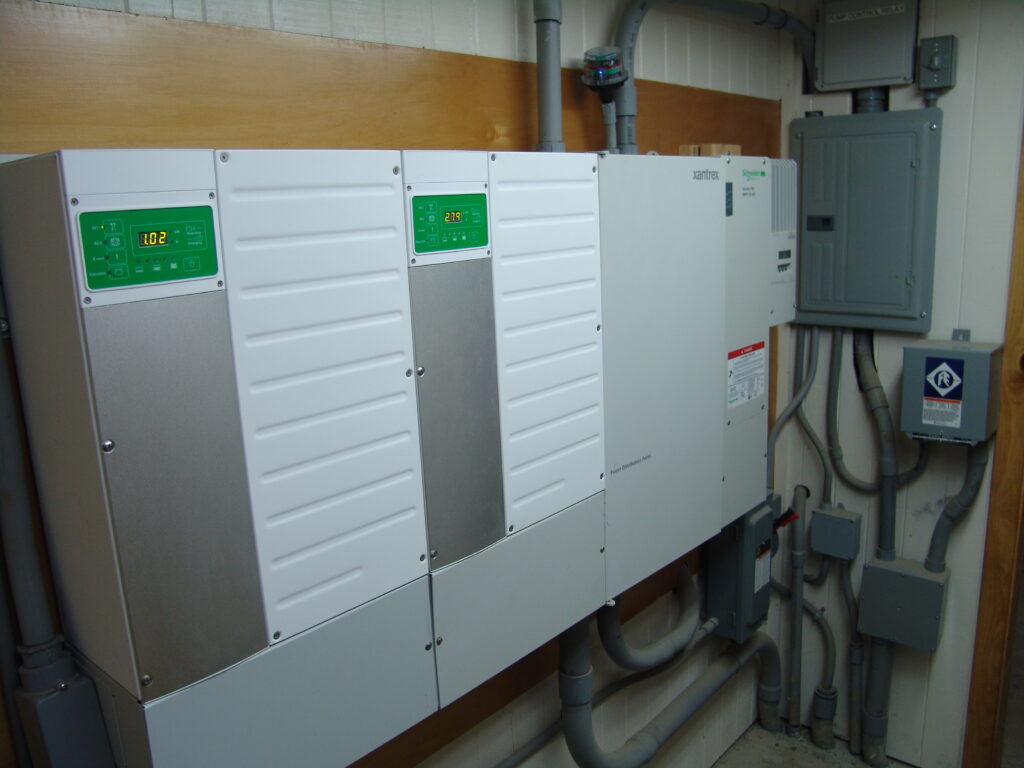
Mike’s system uses dual-stacked Schneider XW6848 systems to control the two battery banks. Because of his location and the size of his power bank, companies he reached out to over the years would ask him to evaluate their products and had sent him monitoring equipment to measure system performance. While some of the companies have refocused their product lines and support structure, Mike was able to keep much of the equipment and monitoring systems, which help him continue to see how his energy storage banks are performing. ” I can measure amperage in each parallel group separately as well as current SOC,” he said.
“It makes a difference to see if a group is under- or over-performing. I have a simple DC amp meter wired to each parallel group, and I can walk by the bank and readily see if they are charging or discharging in balance across each parallel string. The U.S. Battery AGM L16 product has been working well and hasn’t shown any signs of imbalance. I plan to replace the other 24 battery bank with U.S. Battery AGM L16s in the near future.”
Reliable Off-Grid Power: A U.S. Battery Success Story
In a remote area 75 miles from Kalispel, Montana, Mike S. acquired a small private farming homestead. He began developing a backup power system, as local power outages from severe weather often lasted for long periods. The system was originally placed in service in 2007.
In his early search for quality products, he came into contact with Xantrex, manufacturers of off-grid power systems, and soon developed a relationship. The company asked Mike to evaluate some new products, so he incorporated them into his system, including monitoring capabilities for solar harvest, system performance, and battery state of charge.
In 2020, he installed an upgraded system with 48 AGM batteries, divided into two banks of 24, each bank storing 1200 amp-hours and charged by an 18K-watt solar array.
The Challenge of Unbalanced Battery Banks
Soon, he discovered some of the batteries would become unbalanced. This is a situation in which batteries are connected in multiple parallel strings, and differences in internal resistance and capacity within individual batteries are exaggerated, leading some batteries to overcharge and others to undercharge. This leaves the battery bank unbalanced, which can damage the batteries over time. “I monitored my battery bank for several years and over some long winters. Every time the power grid went down, I discovered that some of the batteries became increasingly unbalanced. They didn’t have nearly the capacity they originally had when new,” Mike said.
Engineering a Dependable Solution
Frustrated with the inconsistency in the manufacturing process of his previous batteries, Mike contacted U.S. Battery. He spoke with Dwayne Porter, Western Regional Sales Manager, and Matthew Ely, Manager of Product & Process Engineering. “I knew of U.S. Battery back in 2015 or so through contacts with Schneider Electric. But back then, there were some technical reasons why I couldn’t use U.S. Battery products. When I finally contacted U.S. Battery and discussed the issues with my system, I used their suggestions and also purchased their batteries to try out,” he said.
Mike now has one of his two banks operational with 24 U.S. Battery AGM L16 deep-cycle batteries arranged in three parallel groups, providing 1242 amp-hours of capacity. “So far, not one of the U.S. Battery L16 AGMs has become unbalanced,” said Mike. “The USB L16s run for a longer period of time before they get to a low charge level. I immediately noticed the difference during one of the worst storms we’ve had in a long time, with no sun to recharge the battery banks. When the previous batteries I used became unbalanced, I would only have about 24 hours of reserve power. Now with the U.S. Battery products, I have 36 hours before they reach a low battery state of charge.”
Mike’s system uses dual-stacked Schneider XW6848 systems to control the two battery banks. Because of his location and the size of his power bank, companies he reached out to over the years would ask him to evaluate their products and had sent him monitoring equipment to measure system performance. While some of the companies have refocused their product lines and support structure, Mike was able to keep much of the equipment and monitoring systems, which help him continue to see how his energy storage banks are performing. ” I can measure amperage in each parallel group separately as well as current SOC,” he said.
“It makes a difference to see if a group is under- or over-performing. I have a simple DC amp meter wired to each parallel group, and I can walk by the bank and readily see if they are charging or discharging in balance across each parallel string. The U.S. Battery AGM L16 product has been working well and hasn’t shown any signs of imbalance. I plan to replace the other 24 battery bank with U.S. Battery AGM L16s in the near future.”